Culture
Elizabeth Enters the Story in Two Different Ways
Compare the actual household-entry narratives in Gutenberg Frankenstein 41445 and 84, keeping kinship, guardianship and Victor's possessive language separate.
Life, considered. Style, discovered.
The City Poise Magazine archive
Compare the actual household-entry narratives in Gutenberg Frankenstein 41445 and 84, keeping kinship, guardianship and Victor's possessive language separate.
Follow the short pause between the Bertolini dinner and Charlotte seated in Forster's Chapter I: a doorway, an attempted English interior and a pointed question.
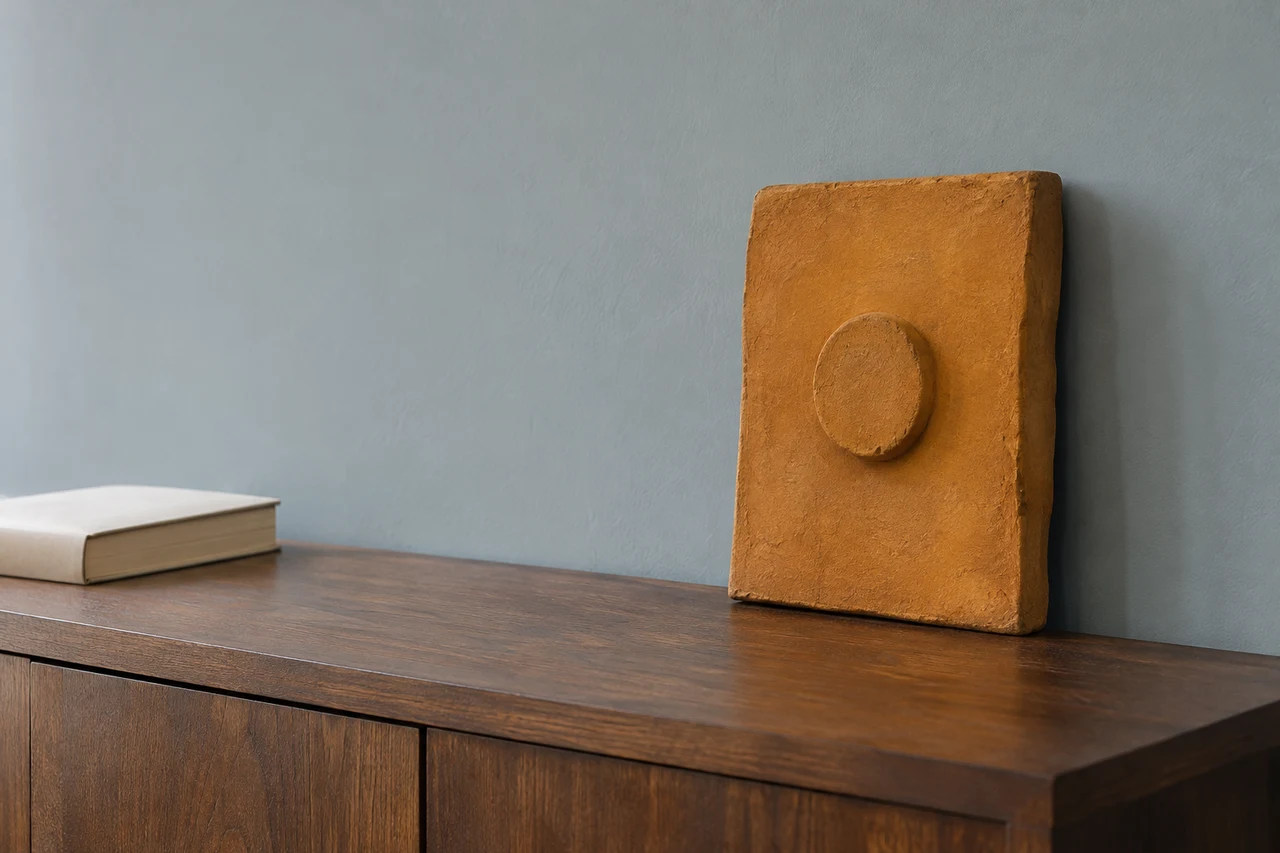
Two imagined forms separate a raised image attached to a flat background from an object that stands apart, without assigning an artist or a history.
A close reading of the identified historical version follows the poem from an inward bird to weather, distance and a final unasked payment.
A reading note follows five fields in the Met’s textual record for The Harvesters while leaving unanswered provenance questions open.
A whole-poem reading follows abundance, a personified harvest pause and the varied voices of the final stanza.
A close reading of Persuasion’s opening considers selected family history, inserted dates and the unequal distribution of attention.
A whole-poem reading follows a traveler’s report, a sculptor’s expression and an inscription that the surrounding sand changes.
A reading of Wordsworth’s revised 1815 poem follows the difference between prolonged looking and a later inward return.
A whole-poem reading follows exchange language, an unresponsive human company and the conditional seeing and hearing at the end of Wordsworth’s sonnet.
Read the whole Westminster Bridge sonnet through its city garment, open skyline and final sleeping heart, without turning it into a present-day travel report.
The Cop and the Anthem turns repeated failures of public recognition into a final reversal of private intention.