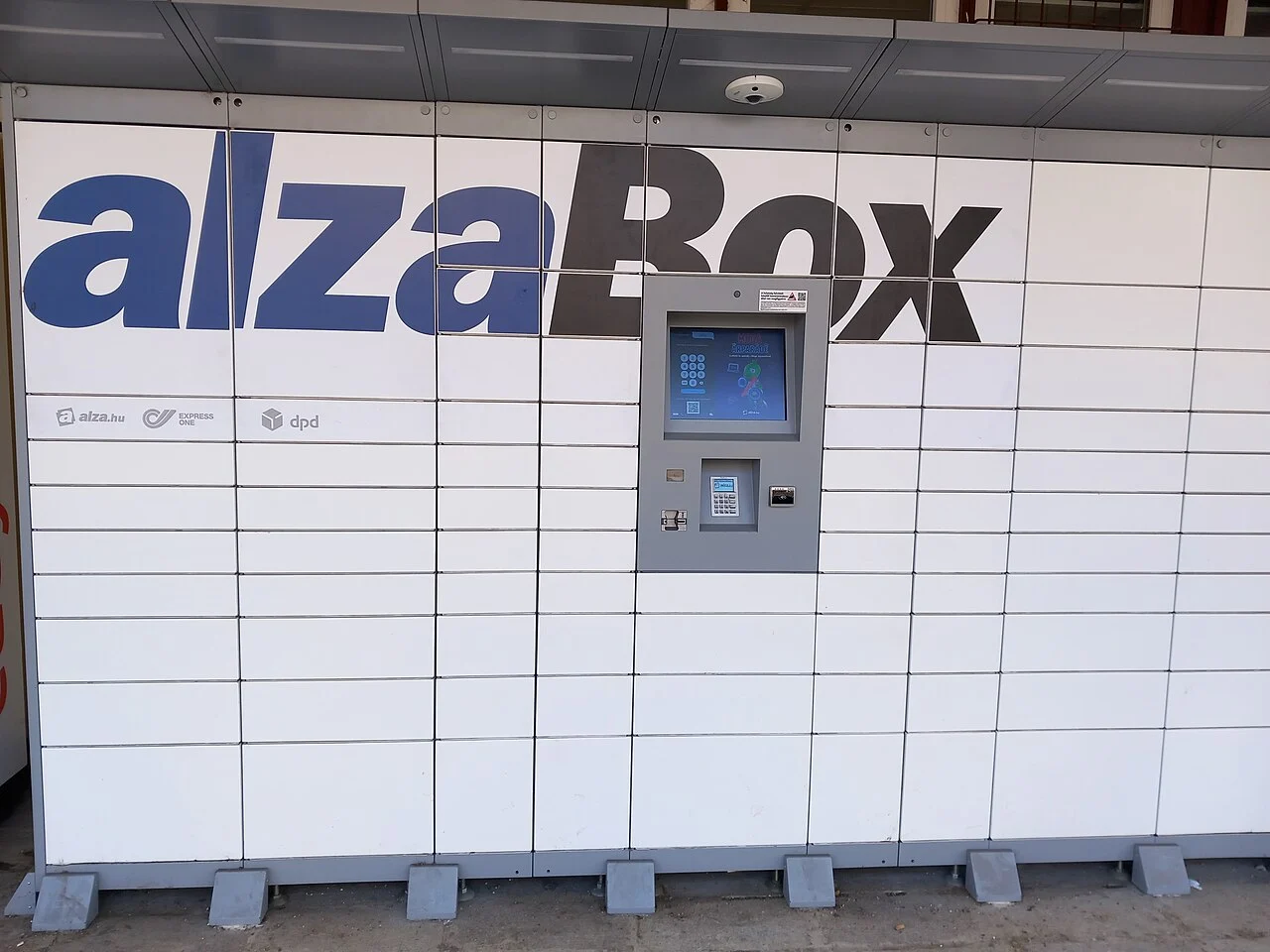
A building’s parcel lockers can make delivery sound settled until the box is too large to enter one. Before ordering an oversized item, ask how that property handles the exception. The useful answer identifies the receiving location and responsible contact for the particular delivery, rather than assuming every parcel will produce an ordinary locker-opening notification. Parcel Pending’s US resident FAQ provides a named-provider example.
The provider describes more than one destination
Parcel Pending says an oversized parcel generates a notification with pickup information and that, depending on community policy, it may be at on-site management or the courier’s local delivery hub. That is not a universal instruction to visit either location. Read the actual notification and confirm the property’s arrangement.
For an original pre-order enquiry, give the property the expected parcel dimensions and ask whether it can receive that delivery, where an oversize exception is held and who provides the instructions. Do not assume a policy for ordinary parcels also covers furniture delivery, installation services or every courier arrangement.
Before dispatch and after delivery are different questions
Before dispatch, obtain the property’s actual acceptance/pickup requirements and compare them with the seller or courier’s delivery service. If the two descriptions do not meet, resolve the gap before buying or redirecting the order. A locker in the lobby does not itself establish that staff will accept or move a bulky box for you.
After delivery, keep the actual delivery reference, notification, stated location and responsible contact together. If the notification is missing or unclear, use the provider/property’s official support route. Keep access details private and follow the actual authorized-collection process; this article supplies no general code-sharing or locker-opening instructions.
Ask about the practical cost of the exception
The provider’s FAQ says setup and storage fees vary by property and can be viewed through the resident account. Confirm which actual fees, collection hours and holding arrangements apply to your delivery rather than borrowing a neighbor’s experience or a different building’s policy. No account or property policy was accessed for this guide.
Before selecting an expensive item, allow for the real receiving and onward-moving arrangement as well as the product itself. If collection requires a trip to a courier hub, establish that route through the responsible courier instead of treating a general FAQ as authorization to collect there. A complete plan can reasonably end with choosing a different delivery service or postponing the purchase.
Sources & further reading
Published sources for the details and examples discussed in this story.