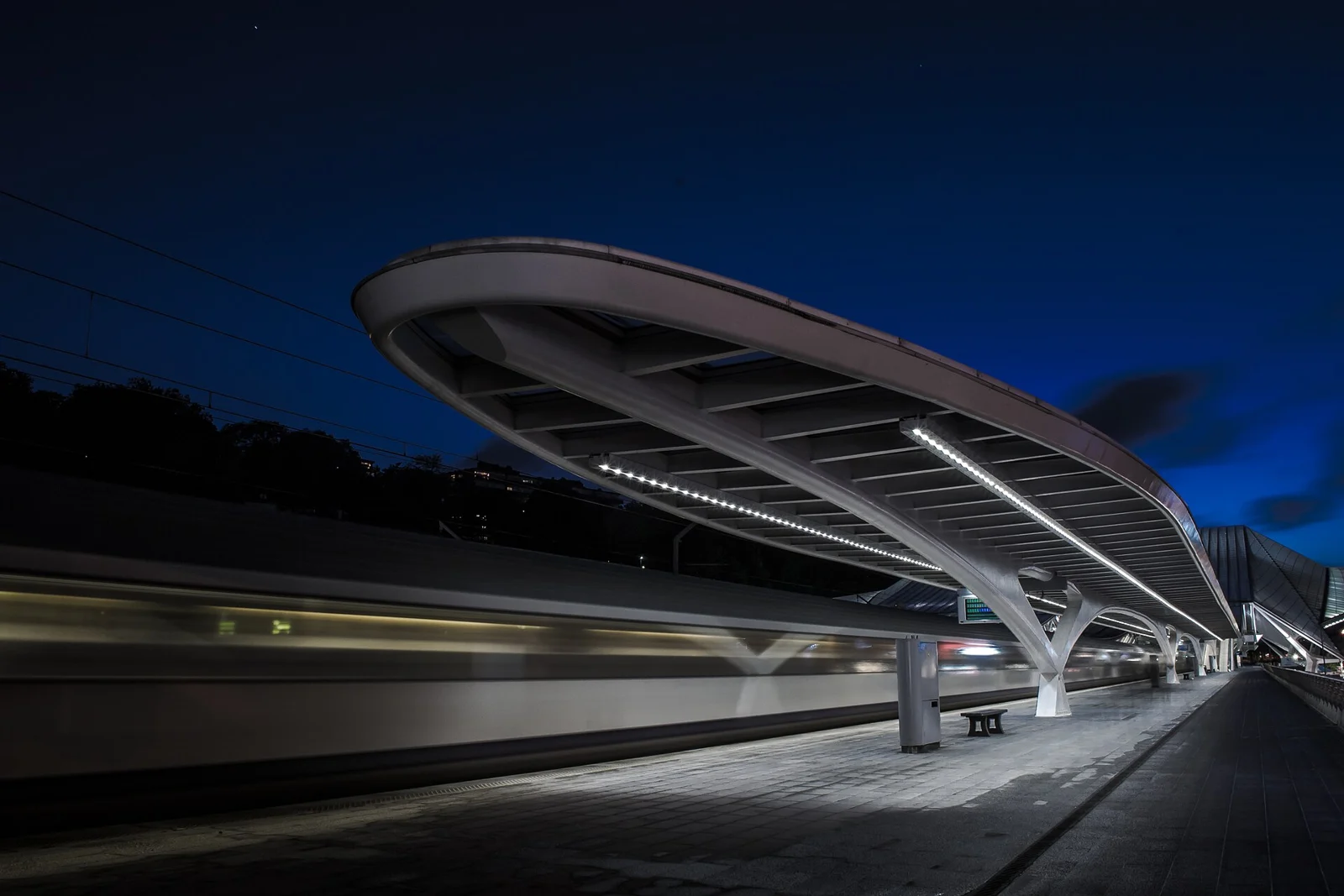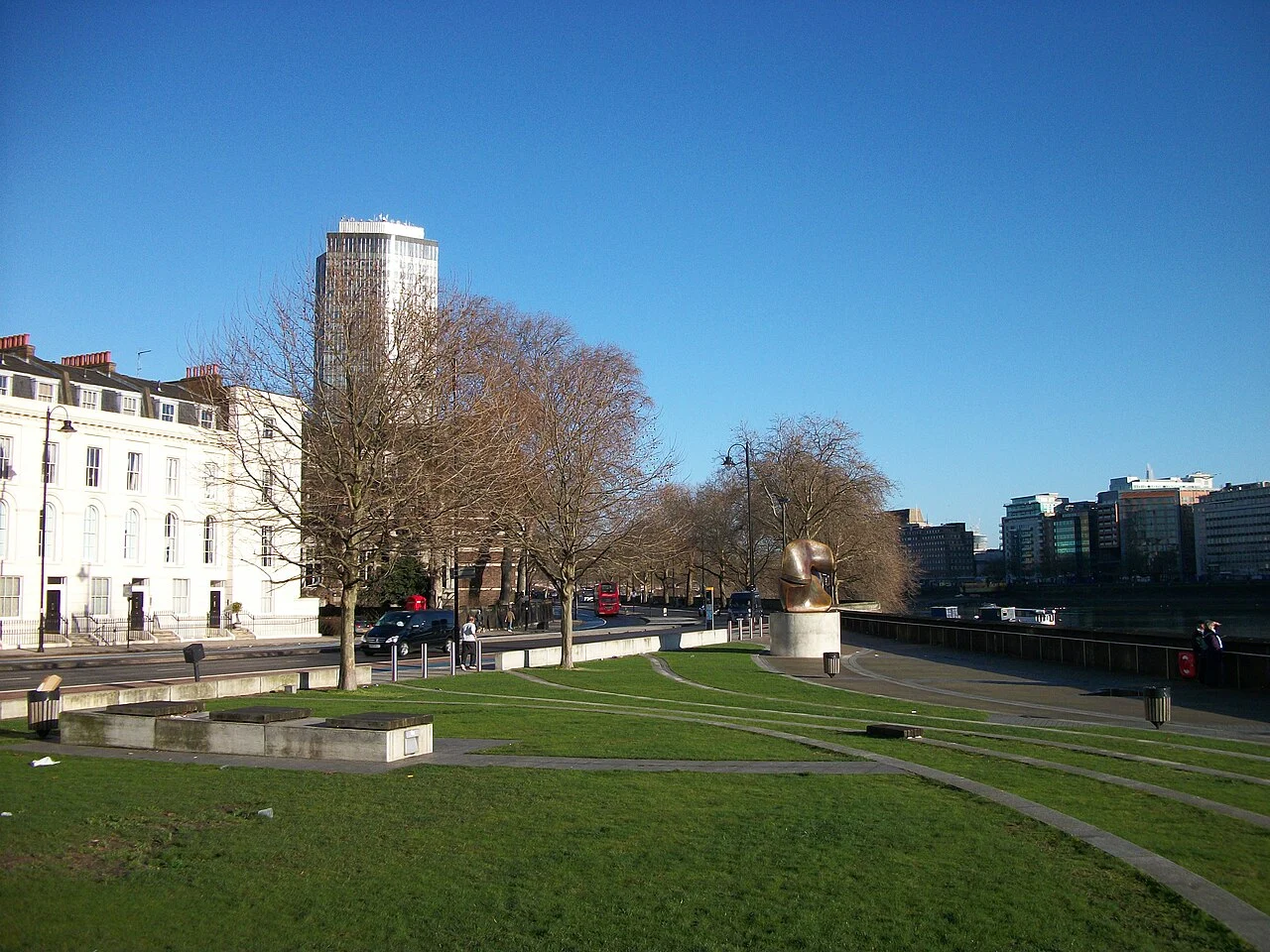
The neighborhood around a room becomes most noticeable when the main activity ends. You come back before supper, discover you want another short outing, or decide that the return itself has used enough of the evening. For a two-night visit, choose the place you want to return to twice. The comparison below keeps one accommodation throughout. River Base and Station Base are invented neighborhoods in an unnamed city, not hotel recommendations or places we visited.
| Invented base | Evening one | Evening two | Preference it could serve |
|---|---|---|---|
| River Base | Base → nearby supper → water → base | Outing → additional local connection → base → optional water pause | A repeated waterside ending |
| Station Base | Base → local supper → station-side streets → base | Outing → arrival point → nearby base → optional local supper | A simpler return pause |
Draw two small evening maps
Hold the daytime commitments fixed: an exhibition on the first day and a longer outing on the second. Give both proposed bases acceptable rooms and the same arrival arrangements for this exercise. Otherwise a better bedroom or an earlier check-in could decide the comparison before the neighborhood has a chance to matter. No distances, service times or prices are assumed to describe a real city.
The first imagined map is River Base → nearby supper → waterfront pause → River Base. The second is Station Base → local supper → station-side streets → Station Base. Each can be a complete evening without becoming a checklist of attractions. The question is what kind of ordinary return you would enjoy: a repeated waterside edge or the familiarity of a useful transport neighborhood.
Let the second evening complicate the first
On the second day, imagine returning tired from the same longer outing. From River Base, the fictional visitor must complete one more local connection before reaching the room. From Station Base, the room is already near the arrival point. These are declared story conditions, not a claim that riverside accommodation always requires more travel or that every station district is convenient.
The river option still has an advantage for this particular visitor if an undemanding evening near the water is the main reason for choosing it. The station option has an advantage if an easy return and the choice to stop moving matter more. Put that difference beside the appealing first-night picture. A base can earn its place through the less glamorous second return.
Choose a preference before searching for rooms
For someone whose visit centers on long daytime outings, I would shortlist the station-side proposal first under these invented conditions. It protects the return pause on both nights. For someone who wants the same quiet waterside ending twice, the river proposal may be the point of the visit rather than an inconvenience to overcome. Neither choice describes a more accomplished traveler.
The table is a pair of schematic evening maps, not a navigable route. It keeps the accommodation unchanged while showing which local relationship would guide a shortlist. If you cannot say why you would value the neighborhood on the second evening, a striking view on the booking page may be doing too much of the decision-making.
Replace the invented connections with actual ones
London offers a useful example of the verification step: TfL says its journey tools accept places or addresses and allow travel-time, route and access preferences. Its guidance also points to network status information. That explains where a real London comparison could begin; it does not validate either invented neighborhood here.
Before paying for a real room, investigate its actual entrance, the journeys you would make and the conditions that affect your return. Keep required access features separate from atmosphere. A neighborhood description cannot establish a usable entrance, a suitable crossing or a convenient late service. Buy the stay that supports the two evenings you mean to have, rather than assuming that a familiar station name or a river photograph completes the route.
Sources & further reading
Published sources for the details and examples discussed in this story.