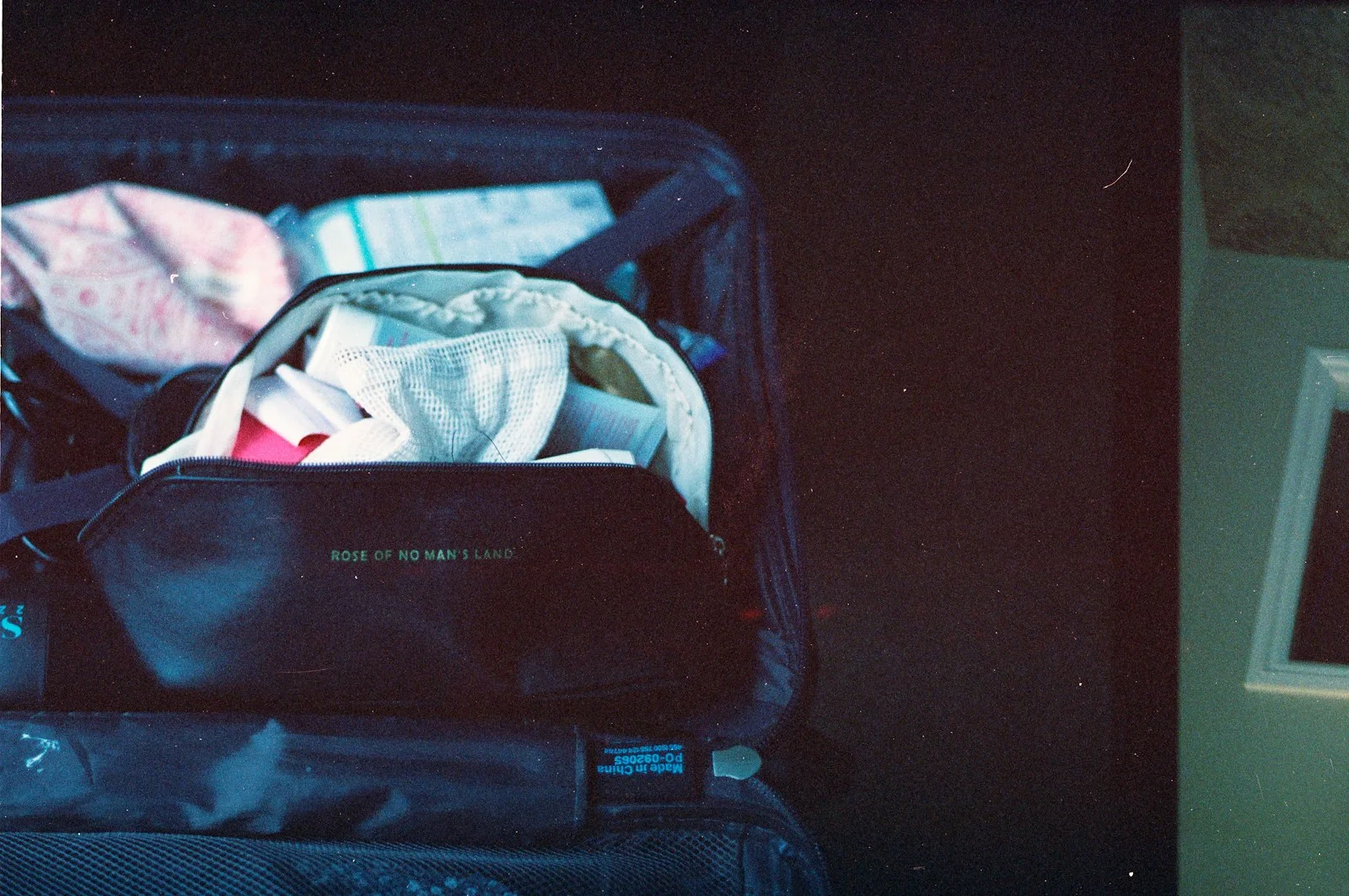
A long weekend can become surprisingly heavy before you leave home. Add just-in-case shoes, a full beauty routine and an outfit for every photograph, and a short city break starts to feel like moving day. A more useful packing question is not how much a suitcase can hold. It is what you are willing to carry up a station staircase, keep beside you at lunch and unpack in a modest hotel room.
| Trip situation | Useful choice | Check first |
|---|---|---|
| Several changes and stairs | A manageable backpack or compact case | Comfort at its full packed weight |
| One dressier dinner | Versatile pieces with one outfit change | Actual venue dress requirements |
| Small shared room | A limited number of organizers | Case and organizer dimensions |
Start with the journey, not the suitcase
Imagine arriving before check-in with a few hours to explore. Your bag may need to travel with you rather than immediately disappear into a room. Before buying anything, check your transport operator’s actual allowance, including handles, wheels and any separate personal item. There is no universal carry-on size that replaces those rules.
If your route includes stairs and several changes, compare the packed weight of a small backpack with the convenience of a wheeled case. Wheels help on smooth concourses; a backpack leaves your hands free on uneven routes. Neither choice makes sense if lifting or wearing the packed bag is uncomfortable for you.
Build outfits that share pieces
For a relaxed three-day itinerary, consider two bottoms, three tops and a light layer that work together. Wear the bulkiest combination during the journey. A clean top, a scarf or different jewelry can change the feeling of an evening outfit without requiring a separate wardrobe. This is a sample edit, not a rule for every climate or dress code.
Lay everything out and make complete outfits. A shirt that needs different shoes, another belt and a special jacket is asking for more space than its folded size suggests. Keep the piece if it matters to the trip; otherwise, let a more adaptable option do the work.
Let footwear decide the remaining space
A museum morning followed by a neighborhood walk is a poor moment to discover that new shoes need breaking in. Choose footwear you already find comfortable and consider the weather. If a second pair is genuinely needed for a booking, pack it deliberately instead of adding several alternatives.
Place shoes in a washable bag so outdoor dirt stays away from clean clothing. Soft items can fit around them, but do not force the case into an awkward shape. If the zipper closes only while someone sits on the lid, edit the list again.
Keep the essentials easy to reach
Separate what you need en route from what you will use after check-in. Documents, chargers and essential personal items belong where you can find them without emptying the entire bag. Follow current security guidance for your departure airport and connections; TSA publishes a travel checklist and a searchable guide for US screening.
A reusable toiletry pouch can make access easier, but a marketing label does not override screening rules. Check the containers themselves and close them carefully. An arrangement that is easy to inspect and identify is more useful than matching bottles with no readable labels.
Buy organizers for a specific irritation
Packing cubes can separate clean clothing from gym wear or help two travelers share a case. They also occupy space and can encourage overpacking. Start with one or two if clothing becomes difficult to find; skip a large matching set until you know which sizes suit your bag.
Compare the organizer’s measurements with the inside of your existing case. Look for zippers that move without snagging and an opening that exposes the contents. A premium cube cannot turn an unsuitable bag into a more comfortable one.
Rehearse the return journey
Leave some unused room for a book or simply less meticulous packing on the last morning. Before leaving, lift the bag, walk around with it and try reaching the essentials. That short rehearsal can reveal more than another packing gadget.
Remove an item you would wear only in an unlikely situation. A successful short-trip wardrobe is not a demonstration of how little you own. It is an agreement between your plans, your comfort and the things you can reasonably manage.
Useful places to look
Sources & further reading
Published sources for the details and examples discussed in this story.