A used book can be an appealing object and a working copy at the same time. Treating it only as a decorative stack can make reading awkward and place unnecessary stress on its structure. Before buying elaborate storage accessories, give the books a suitable place and a sensible handling routine. Library of Congress guidance offers practical preservation principles. They help care for ordinary collections, while rare, damaged, or valuable material may need advice beyond a general household article.
Look at the shelf's conditions
The Library of Congress recommends avoiding direct or intense light and locations with unsuitable temperature, humidity, or a high risk of leaks. Review the shelf at different times of day rather than only when arranging a photograph. A sunlit window ledge can be attractive without being a good long-term display position. Keep valuable books out of an unsuitable basement, attic, or garage. Do not buy a decorative cabinet first and assume its appearance settles the environmental question.
Support the books you have
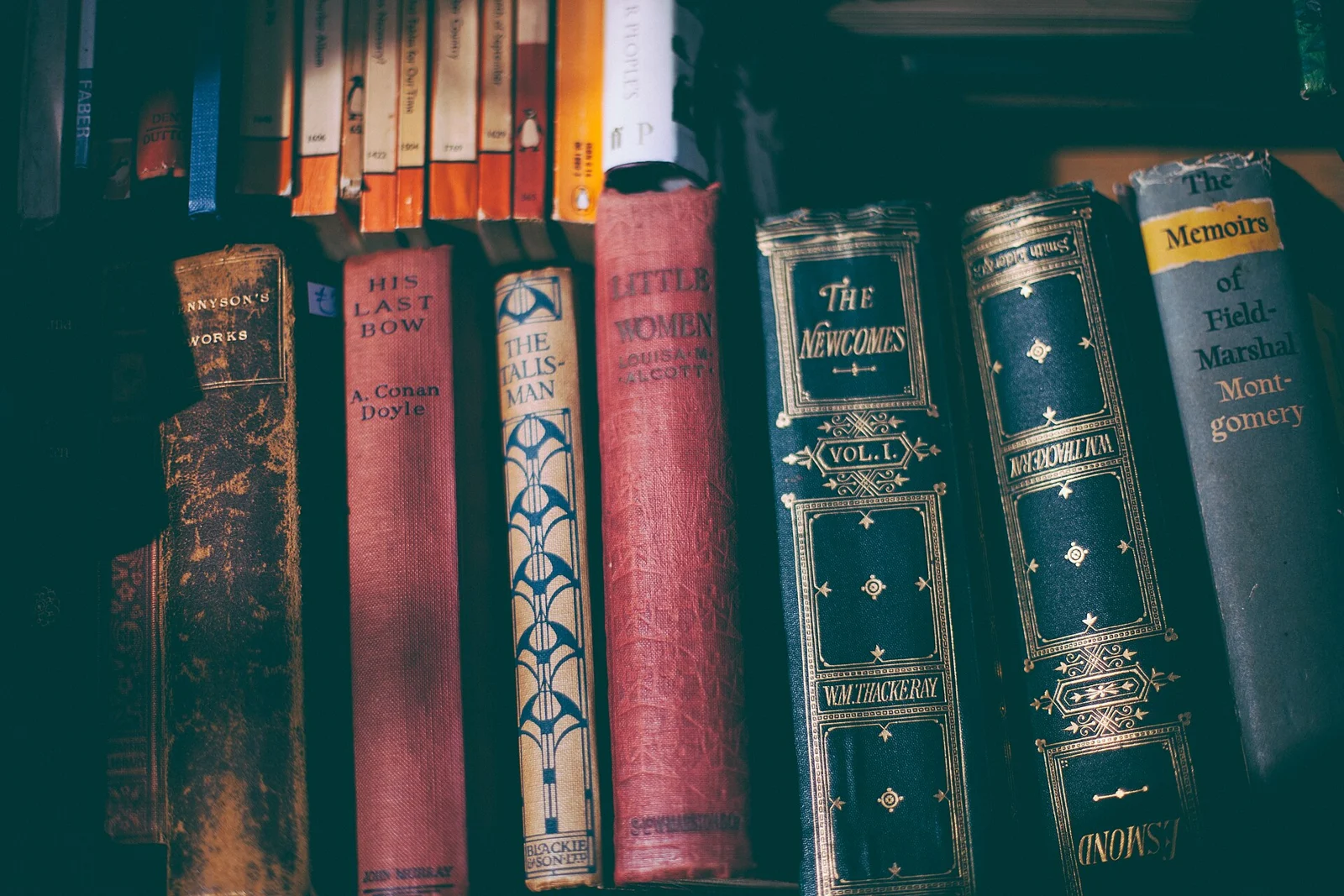
LOC guidance favors flat, solid shelves and upright books supported so they do not lean or slump. Grouping similar sizes can help neighboring volumes support one another. Oversized books may need a different arrangement, including supported horizontal storage. Check the available shelf dimensions and the actual collection rather than forcing everything into one visual pattern. If bookends are useful, choose them for stable support and suitable contact, not merely their weight or sculptural shape.
Give reading a landing space
Prepare a clean, clear surface before taking a book down. The Library advises gripping the spine's sides around its middle rather than pulling at the top. It also cautions against forcing a book to lie completely flat. Support a restricted opening appropriately instead of pressing harder to obtain a better photograph. A small adjustment to how you retrieve and open a volume can be more valuable than an expensive accessory bought after avoidable damage has already occurred.
Avoid turning care into an amateur repair project
Distinguish ordinary storage and careful handling from conservation or restoration. Do not assume tape, glue, or a household cleaning product is suitable for an old binding or paper. If a book is structurally unstable, important to you, or potentially valuable, seek appropriate professional guidance before attempting a repair. A seller's description of age or rarity is not a condition assessment. When purchasing a used book, ask about the relevant damage so that the intended reading or collecting role remains realistic.
Buy for access as well as display
Leave enough room to remove books without damaging their neighbors, and keep the titles you use accessible. An additional shelf, suitable support, or appropriate protective housing may solve a specific need, but an entire coordinated storage collection is not required. Review whether decorative objects are displacing usable space or encouraging awkward stacks. Keep a brief note of any special care advice for particular volumes. The collection should remain enjoyable to read and handle, rather than becoming a display whose arrangement makes every book difficult to use.
Sources & further reading
Published sources for the details and examples discussed in this story.