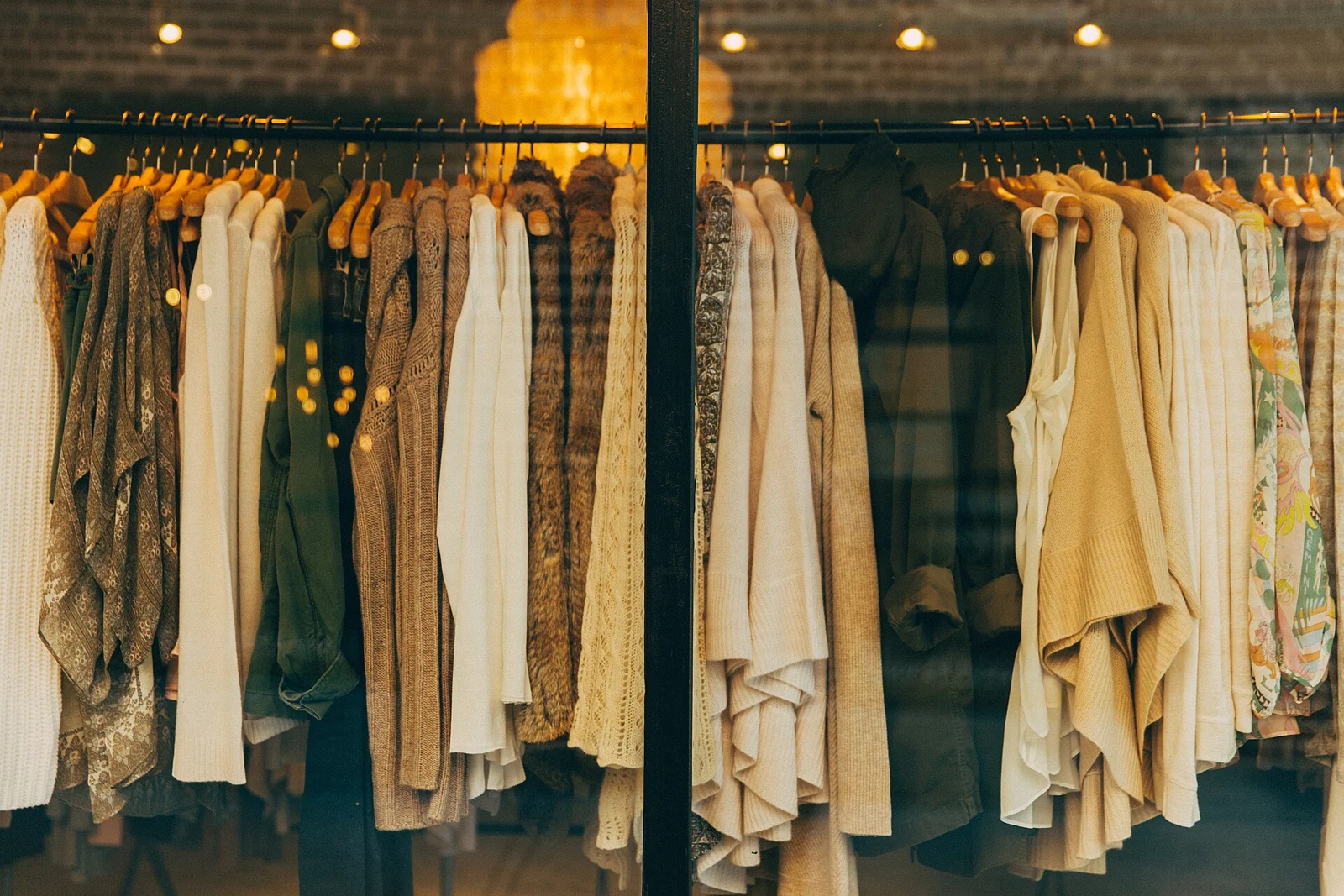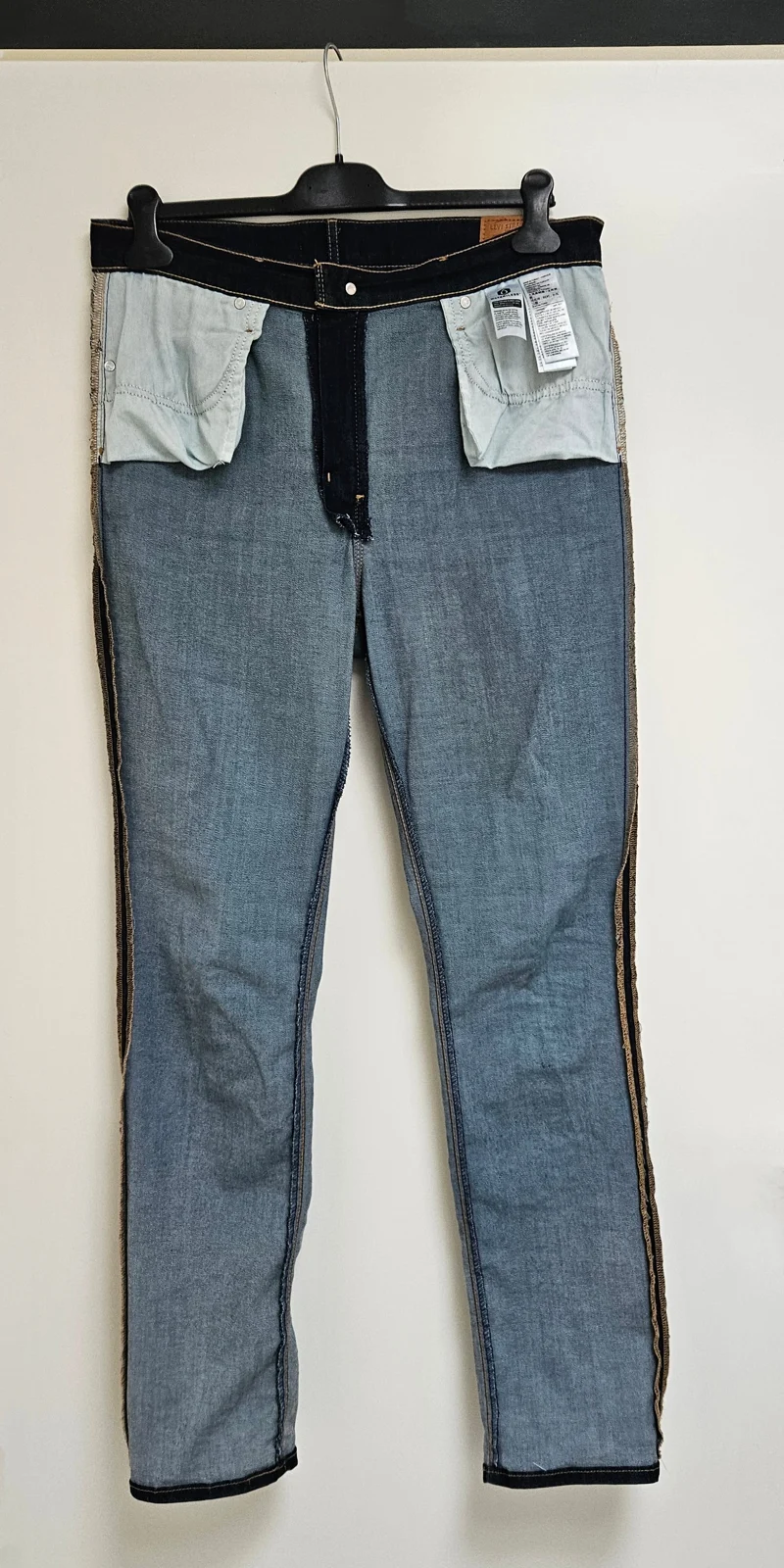
A garment can carry a large fabric-themed hang-tag and a small permanent label containing information the front tag does not summarize. Reading them as one message makes it easy to mistake composition for performance or origin for care. Separate three questions: what fibers are listed, where the product is described as made, and how the exact garment should be maintained. This is a consumer reading guide to US FTC information, not a compliance assessment of an individual brand.
| Label information | Answers | Does not establish by itself |
|---|---|---|
| Fiber declaration | Stated textile composition | Every comfort, durability or fit characteristic. |
| Origin statement | Declared country information under applicable rules | A complete ethical or environmental assessment. |
| Care directions | The manufacturer's supported care instructions | Whether your own routine can conveniently follow them. |
Start with the full fiber declaration
The FTC explains that most covered textile and wool products need labeling that identifies fiber content, country of origin, and the manufacturer or another responsible business. It also notes that certain hang-tags may discuss a fiber without giving the complete composition. Look for the full declaration before comparing two products. A large mention of one fiber on the front does not necessarily mean the whole garment consists of it. Read the actual percentages and identify which part of a multi-part garment the information describes.
Do not ask composition to prove everything
Fiber content answers a composition question, not every question about feel, fit, construction, or wear. Two garments with a similar blend may still be different products. Consider the exact cut, finish, lining, and intended use, asking the seller for product-specific information where needed. Avoid paying a premium solely because a familiar fiber name sounds luxurious. Equally, a blend is not automatically inferior. The useful comparison connects the stated composition with the garment you want, rather than assigning a universal rank to a material category.
Read origin as its own statement
Keep the country-of-origin information separate from the company's address or the location of its design office. The FTC's textile guidance discusses origin and business identity as different labeling fields. A prominent city in the brand name does not by itself answer the manufacturing question. If a particular origin is important to your purchase, look for the exact statement and clarify any qualified wording with the company. Do not substitute a flag graphic or a brand story for information about the actual item.
Find the care directions separately
The FTC says clothing care labels are governed by a separate rule from the textile and wool labeling requirements. Use the instructions for the exact garment rather than deciding a washing method from its fiber name alone. Check relevant warnings and whether the care routine is manageable for you. A composition you prefer can still accompany an inconvenient care commitment. That is a practical reason to compare alternatives, not evidence that the label is wrong or that an online household trick should override it.
Make the questions useful online
For an online order, request readable label information if the listing only supplies a styled photograph and a short fabric description. Record the version and color because different options may have different details. Compare complete price and the opportunity to assess fit under the seller's terms. Keep your notes in three fields—composition, origin, care—so one reassuring answer does not conceal two unanswered questions. A better label reading should produce a more informed purchase, not a confident prediction of performance the manufacturer never made.
Sources & further reading
Published sources for the details and examples discussed in this story.