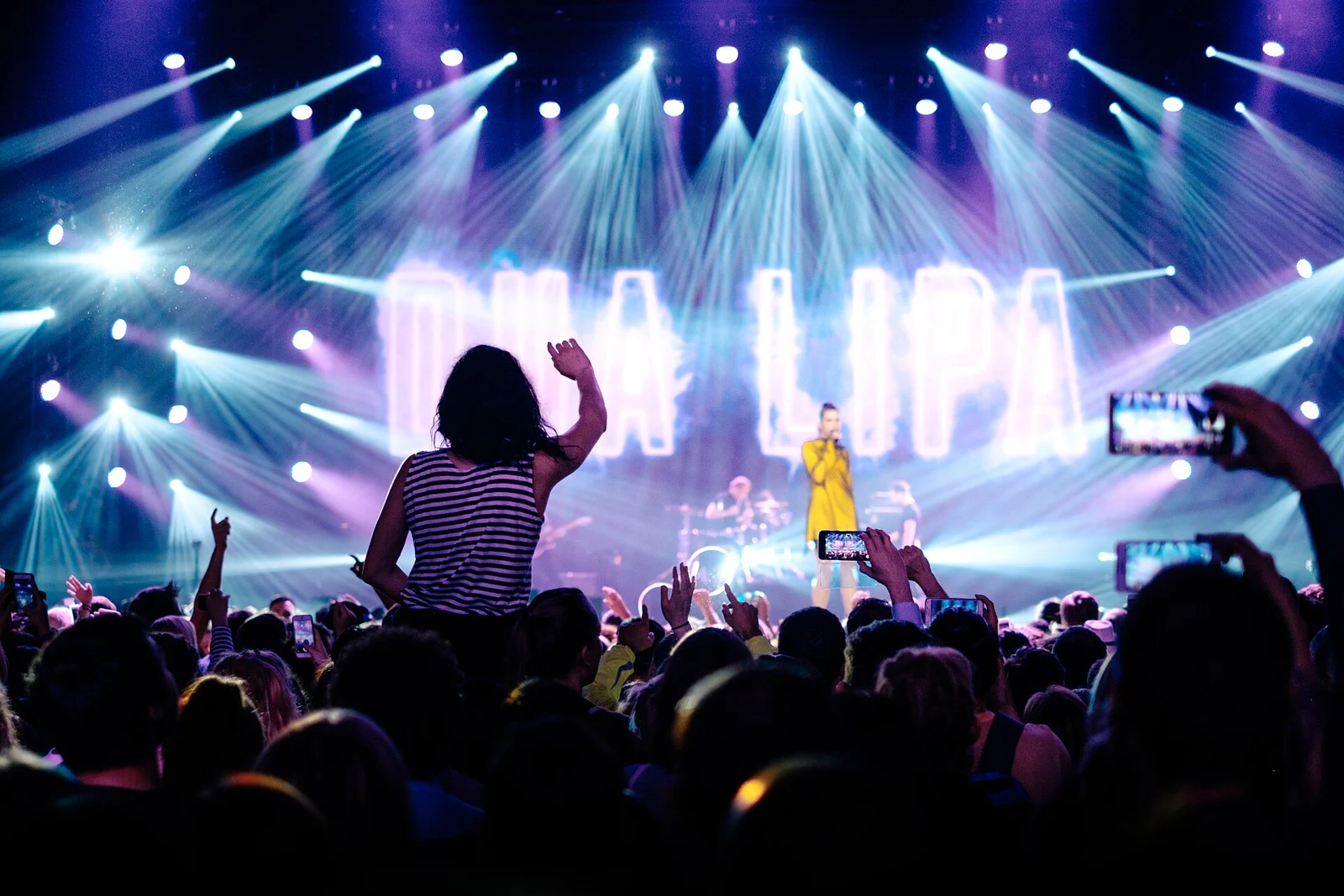
Choosing a concert night usually means comparing the artist, date, venue, and ticket. Hearing protection belongs in that decision too, before the room becomes loud enough to make a new plan inconvenient. The National Institute on Deafness and Other Communication Disorders recommends hearing protectors for loud settings, including concerts, while also emphasizing reducing exposure and moving away from noise. This is a guide to practical choices, not a test of a particular earplug or a promise that one accessory makes every sound level safe.
Consider the whole exposure
Think beyond the headline performance to supporting acts, waiting areas, transport, and other loud parts of the outing. NIDCD explains that louder sound can damage hearing more quickly; duration also matters. Do not use a guessed venue volume or a friend's account as a personal safety calculation. Check whether the venue supplies useful information about quieter areas or arrangements. A convenient place to take a break can be part of the plan rather than something you search for only after becoming uncomfortable.
Compare purpose and fit
Read what the product is designed to do and how it is intended to be worn. NIDCD describes several types of protectors, including formable and pre-molded earplugs and protective earmuffs. It advises choosing a type that is comfortable and easy to use so it can be worn correctly and consistently. The most appealing specification is not useful if the device does not fit or you cannot use it as directed. Ask a hearing-health professional for help when selection or fit is uncertain.
Understand the rating's condition
NIDCD explains that a higher noise reduction rating generally means more sound is blocked when the protector is worn correctly. It is not an individually measured outcome for your ears at a particular show. Avoid comparing advertising numbers as though they guarantee the same real-world result for everyone. Check the instructions and any limitations on the exact product. A music-focused name, a celebrity endorsement, or a high price is not a substitute for understanding its stated protective purpose and suitable use.
Plan communication and breaks
NIDCD recommends selecting protection that lets you communicate adequately in a noisy setting, reducing the temptation to remove it repeatedly for conversation. It notes that even brief removal in very loud surroundings creates risk. Decide where you can step away appropriately and how you will stay in touch with companions. Do not improvise a complicated on-and-off routine to preserve a social plan. The concert should fit a sensible exposure approach, rather than asking a purchase to justify remaining in an unsuitable position indefinitely.
Make the buying decision before the queue
Check the quantity, intended reuse or replacement guidance, storage, and care instructions. Keep the protectors accessible and follow the manufacturer's use directions. If a problem or concerning symptom occurs, seek appropriate medical advice instead of treating another product as a diagnosis. There is no universal winner for every concertgoer. A useful purchase is one you can wear appropriately within a broader plan to limit exposure, move away when needed, and enjoy future performances without relying on unverified claims about a single night.
Sources & further reading
Published sources for the details and examples discussed in this story.